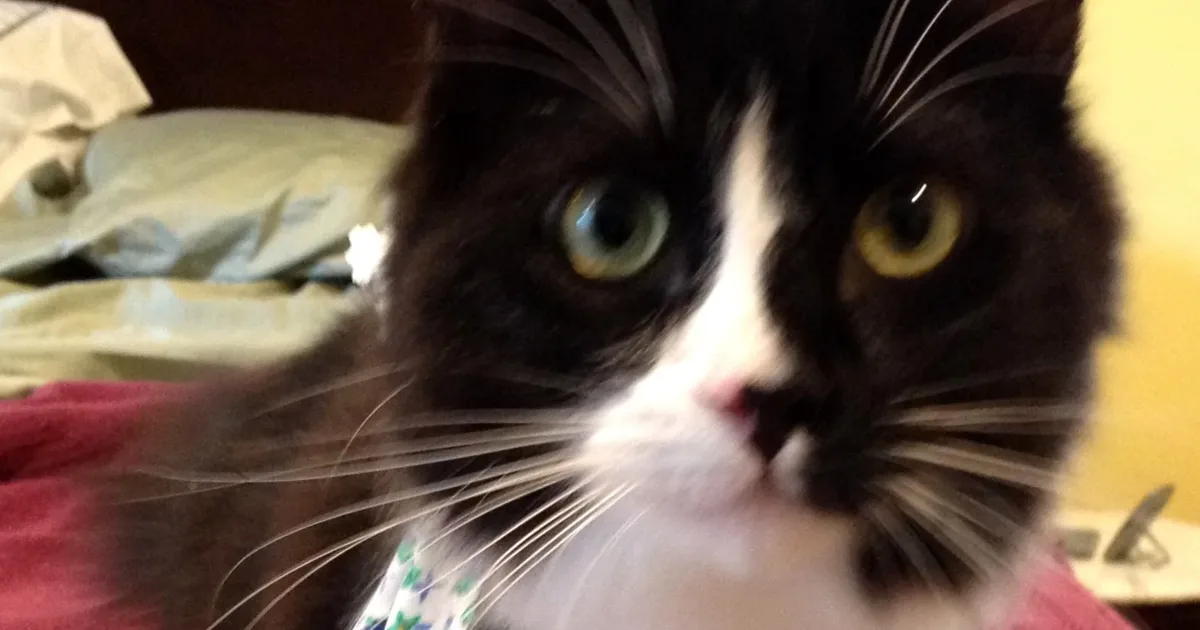
GoFundMe for a Vet Bill: What I Learned From Quark's Fundraiser
Quark was my tuxedo cat. At 14, he became increasingly weak and lost his appetite and his coordination. After repeated vet visits and supportive care, he was referred to a neurologist to find out what was happening. That's when I started a GoFundMe, called "Help Quark Get Neurology Care," to help cover vet visits, diagnostic testing, medication and specialist care.
It did better than I expected. Quark died on September 25, 2026. Part of his care went on a loan that I'm still repaying, and the fundraiser is still helping with that.
Afterward, Help My Pet wrote a free pet-care GoFundMe guide so other people don't have to figure it out from scratch. These are the parts I'd start with.
If your pet needs help right now: call your veterinarian or the nearest 24-hour emergency hospital and tell them cost is a barrier. A fundraiser takes time and does not arrange treatment. See signs that need care now, and pet poison hotlines.
1. Start before you feel ready
I started Quark's fundraiser before anyone knew what was wrong. You don't need a diagnosis or a polished campaign. You need five things:
- The next need. The care, food, supplies or transport your pet needs, and any real deadline.
- A clear amount. Use a dated bill, estimate or shopping total. Label anything still uncertain.
- One recognizable photo. A real, non-graphic picture of your pet that looks clear on a phone.
- A short story. Who you are, what happened, what comes next and how the money will help.
- A person to receive the funds. If you're raising money for someone else, get their permission and explain your relationship.
2. Name your pet and the need in the title
A title like "Help Quark Get Neurology Care" tells people who needs help and what for, before they read a word of the story. Use your vet's description of the plan. Don't turn a suspected condition into a confirmed diagnosis, and don't promise a cure.
3. Set a goal you can explain
The guide's formula is simple: costs still to cover, plus processing fees, equals your goal. Subtract money you already have, and keep confirmed bills separate from estimates. For U.S. personal fundraisers, GoFundMe currently deducts 2.9% plus $0.30 per donation, so a $50 donation leaves $48.25. You can change your goal as things change. Just explain why in an update.
4. Set up transfers on day one
The total on your page is not money in your bank. GoFundMe says donations may take up to five business days to process, and transfers can take another two to five business days. Verification can add time. Set this up first so it isn't holding you back when a bill is due, and use your account's real status when you talk to the clinic.
5. Start with people who know you
Send personal messages with one sentence about the need and the direct link. Then ask a few people to carry it further, to a friend, a neighborhood group or a community they belong to. The guide has messages you can adapt, including a personal ask, a request to share and a caption a friend can post.
6. Post real updates
Quark's GoFundMe has been running since August 2026, with updates about his care along the way. An update gives people a reason to come back: a changed estimate, a finished appointment, the gap that's left. Keep it short and factual. And thank people for practical help too, not only money.
7. Let people help in other ways
Not everyone can give money. Someone might share the link, write an update, collect supplies or give you a ride to an appointment. Ask for help people can choose freely, without guilt.
A merchandise fundraiser can sit alongside a GoFundMe. For Quark, a Team Quark design came out in October, and part of every sale goes to his fundraiser. Help My Pet offers pet fundraising merch with no setup or design fees for families. Merch purchases and GoFundMe donations are separate, and GoFundMe's rules say not to offer merchandise as a reward for a donation. Merch also takes time and depends on sales, so it's better for ongoing costs than for an emergency.
8. When donations slow down
Look for the reason before posting more. Maybe people aren't seeing it, have questions about the costs, can't afford to give, or the page feels out of date. The guide has a short checklist for when donations slow down. Slow donations do not mean your pet matters less or that you've failed. Avoid services that promise guaranteed donations or paid "promotion" you can't verify.
9. If the worst happens
Quark's fundraiser kept going after he died, because his care and aftercare bills were still there. Tell supporters plainly what happened, which costs remain and how any balance will be used. The guide includes a template for that update, too.
Keep other options going
Fundraising depends on donations and may not meet an immediate payment deadline. Keep looking at payment plans, grants and lower-cost care on Paying for Care while your fundraiser runs. You can also read Quark's story and fundraiser page.
Find help in your state
A fundraiser can work alongside local help, like a nonprofit clinic or a state fund. Find your state to see what's near you, each program checked on its own website.
Help keep Help My Pet free: join the Support Crew.
Comments
Have a tip, a question, or your own experience to share? Comments appear after a quick review.
Loading comments…
Please don’t share medical records or anyone’s private details. For urgent concerns, contact your veterinarian.